
Dual-End Eyeliner RFQs: Define Barrel Artwork
What should a dual-end eyeliner barrel artwork enquiry include? Identify the exact offered item, ask the supplier which barrel and cap areas can carry the proposed artwork, request an applicable layout reference, and link the buyer-approved file to a sample and quotation. The existing catalogue print identifies a product presentation; it does not confirm private-label availability, printing capability or permission to reuse a displayed brand.
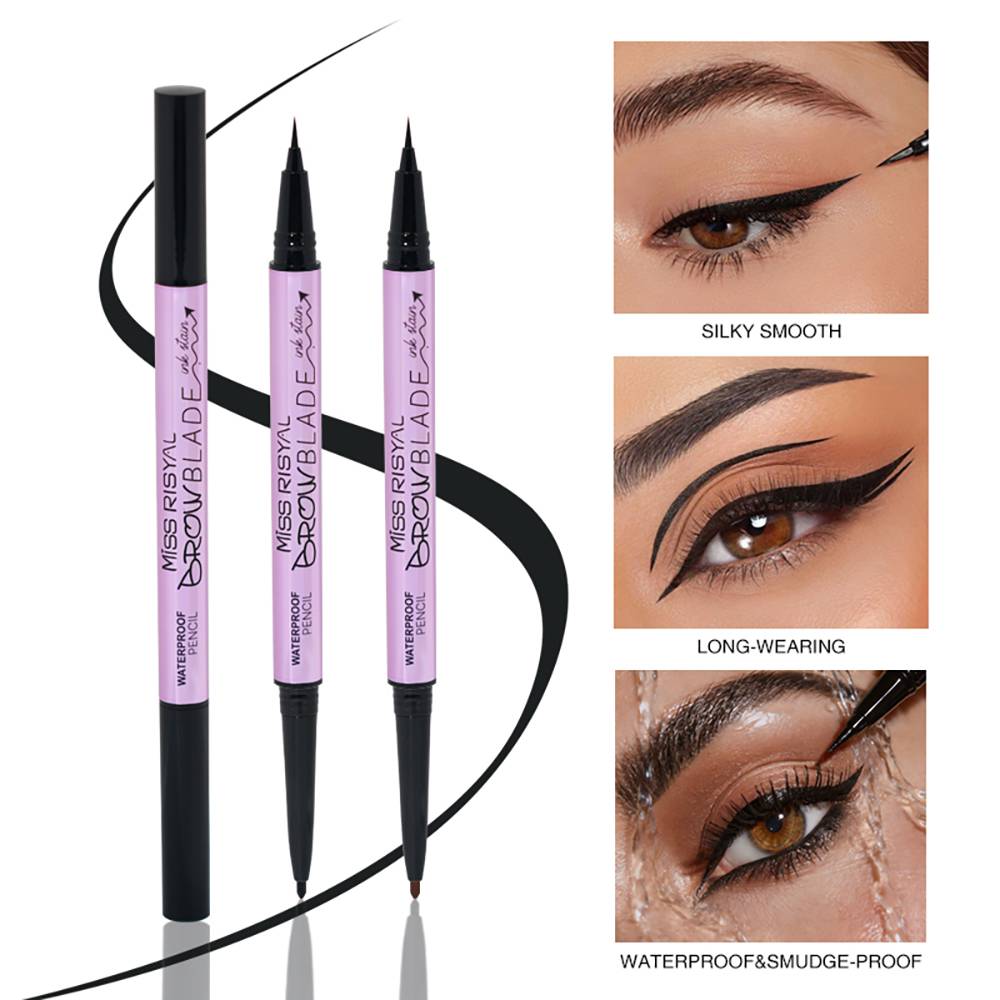
Official product appearance reference for identifying the barrel. Existing advertising text does not define a buyer artwork file or a confirmed custom-printing offer.
Start with the offered eyeliner version
Xiuhe lists Eyeliner gel pen and eyeliner liquid pen in one set. The official gallery shows a pink barrel, dark caps and several working-end presentations. That product reference gives a purchasing team a starting point for its artwork question. It does not specify the printing area or an available decoration method.
Ask the supplier to identify the complete item it is offering before preparing a label file. Retain its item reference and selected product view with the enquiry. Similar-looking catalogue tools can leave the proposed barrel or cap version unclear, so ask which reference actually applies to the quotation.
This enquiry concerns the visible product artwork and its association with the offered item. It does not replace the separate supplier mapping of the working ends or confirm a formulation. Keep those records linked where useful, while making the artwork decision itself easy to identify.
Ask which surfaces the supplier can offer for artwork
For wholesale dual-ended eyeliner sourcing, mark the surfaces the buyer wants to discuss. Ask the supplier to distinguish the barrel area from the cap areas and identify any location that its proposed process does not cover. The response should describe the actual offered option rather than leaving the buyer to infer it from the current catalogue print.
Request the applicable drawing, layout reference or other supplier-defined area guide, where available. Ask for the dimensions and orientation needed to prepare the proposed file. Do not estimate a print width from an unscaled product photograph or invent a standard size for all eyeliner barrels.
If more than one product version is under consideration, keep their artwork-area references separate until the supplier confirms shared coverage. A barrel colour or a similar silhouette does not prove that a single layout file applies to both. Any proposed common file should identify the items it is intended to cover.
Buying field
Requested supplier response
Offered item
Supplier item code, selected barrel/cap version and quotation association.
Artwork surfaces
Marked barrel and cap areas the supplier actually offers for the requested design.
Layout reference
Applicable drawing, dimensions, orientation and supplier file requirements, if offered.
Copy and graphics
Buyer-provided text and graphics with an identified file version and responsible reviewer.
Sample reference
How the proposed artwork is shown on the identified offered item for review.
Approval scope
The accepted file, item linkage, recorded comments and any unresolved production question.
Official eyeliner tool reference. Request the applicable artwork area and orientation for the exact offered version.
Separate supplied text from catalogue advertising
The gallery includes promotional wording and a pictured brand. Treat these as existing catalogue content, not text that automatically belongs in the buyer’s artwork file. Ask which product identity and wording the buyer wants to propose, and keep any request to use a particular mark subject to the responsible party’s confirmation.
Have the buyer identify the proposed copy and the person responsible for reviewing its meaning. If the file includes a product name, shade reference or other information, connect it to the offered version and supplier response. Do not carry a statement from a different product into the new file merely because the package design looks similar.
This guide supplies no wear, waterproof, safety or cosmetic-result claim. A design proof can show how text is arranged without establishing that the text is supported. Keep unresolved product statements visible for the appropriate review rather than treating a visually attractive layout as confirmation of every statement it contains.
Review orientation on the identified product sample
Ask the supplier how it can present the proposed artwork on the offered item. Where a sample or mock-up is proposed, retain its identity and state which review question it answers. A layout illustration and a decorated physical sample are different records; identify what has actually been supplied.
For a tool with more than one end, ask the supplier to show the artwork orientation relative to the selected barrel and caps. The buying team should be able to understand the proposed reading direction and any text that becomes hidden by a cap. Do not assume that every catalogue end view has the same orientation.
Return comments with the file version and marked location. A request to move a line or change an orientation should identify the affected surface so the supplier can respond to the actual change. Leave method, repeatability and any commercial effect open until the supplier provides the applicable proposal.
Official dual-end catalogue reference. Pictured wording and branding are not an approval of proposed buyer copy or evidence of cosmetic performance.
Release one clear file and retain its item linkage
Before the artwork decision is passed to purchasing, identify the version being accepted and its scope. Keep the supplier item reference, proposed surface coverage and reviewed sample or layout reference together. A file labelled final can still be ambiguous if nobody can tell which offered barrel it covers.
If the item, barrel colour, cap version or proposed artwork process changes, ask the supplier whether the earlier file remains applicable. Retain the previous decision as history and request review of any changed scope. Do not silently apply an old artwork approval to a different quotation.
Use Xiuhe contact to send the selected product reference and the artwork fields requiring confirmation. Related purchasing topics are available in the makeup sourcing blog. No custom-printing service, price, minimum quantity or delivery commitment is established by this enquiry worksheet.
Identify the offered barrel and applicable artwork area.
Review copy, orientation and the actual file version.
Link the accepted design to the sample and quotation.
Buyer FAQ
Does catalogue branding confirm private-label service?
No. Ask the supplier what artwork option it actually offers for the selected product, with the applicable commercial response.
Can the print area be measured from the product photograph?
Request an applicable supplier drawing or area reference. An unscaled catalogue image is not the layout specification.
Does approving a design prove its advertising text?
No. Identify who confirms the product statements separately from the person approving their visual arrangement.
Can one artwork file cover several eyeliner versions?
Only when its applicability is explicitly confirmed for those identified items and surfaces.
What closes the artwork enquiry?
An identified offered item, applicable area reference, reviewed file version and a recorded approval scope, with unresolved questions retained.
wholesale gel eyeliner pencilsB2B supplier sample record