
Eyeliner Claims: Request Product-Specific Evidence
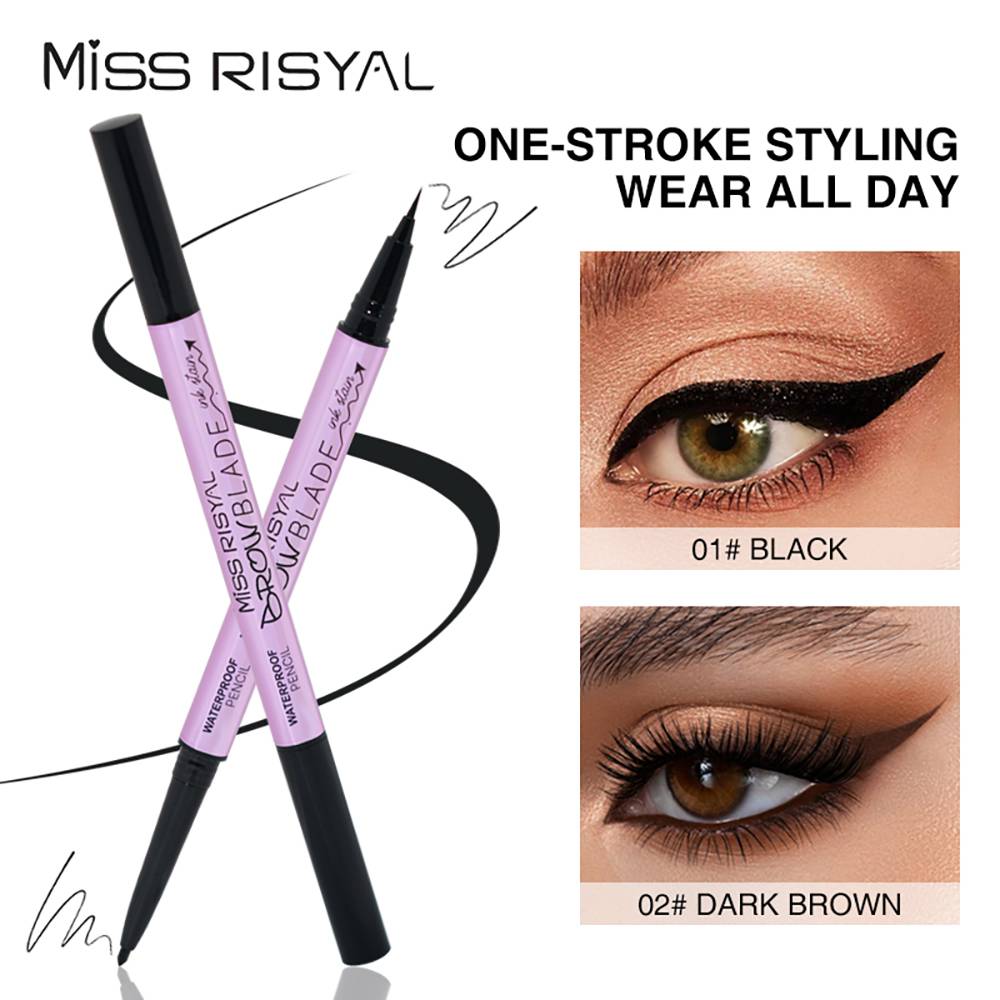
For an eyeliner offer carrying waterproof or long-wearing wording, request evidence that identifies the exact product, the wording being supported and the conditions covered. Keep supplier advertising, a manufacturer declaration and a reported evaluation result as separate records. Xiuhe publishes an eyeliner gel pen and liquid pen offer with catalogue images containing performance language. Those images help identify questions for the supplier; they are not an independent verification of the advertised results.
Official supplier catalogue reference. Promotional wording is not an independent evaluation, and no new result, production capacity, care method or supplied feature is established by this image.
Create a wording register for the actual offer
Start with the supplier product reference and quotation revision. Copy the precise proposed claim into a working register, together with the place where it appears: a catalogue image, a retail carton, an online listing or a buyer-created label. Preserve the original wording and any proposed translation. Similar phrases can imply different things to a buyer, so avoid replacing a specific statement with a broader description that the manufacturer has not reviewed.
Attach the official eyeliner product reference to that register. The page identifies an eyeliner gel pen and eyeliner liquid pen offer, while the gallery presents multiple ends and application views. Ask the supplier which offered item or end each statement covers. A response about one formula should not be extended automatically to another formula merely because both appear in the same presentation.
Separate evidence types before comparing documents
Ask the supplier to describe the basis for each statement. It may provide a manufacturer explanation, a product specification, an evaluation report or another applicable document. Record what the document actually is and who supplied it. A declaration is not the same evidence type as a test result, and a photograph showing water on an application scene does not describe an evaluation method or establish a measured level of performance.
Request the product identification, document date, revision and scope. Check whether the record names the finished offered version, an individual formula or a different product family. Where a reference is incomplete, ask the supplier to explain the relationship rather than filling the gap with an assumed equivalence. Keep unreadable or unavailable fields pending. The purchasing record should make the limits of the available evidence visible to the person approving the retail wording.
Official supplier catalogue reference. Promotional wording is not an independent evaluation, and no new result, production capacity, care method or supplied feature is established by this image.
Ask which conditions and endpoints are covered
If the supplier provides a reported evaluation, request its stated conditions and the observation or endpoint it uses. Ask how the product was prepared and which application, exposure or removal conditions are relevant to the result. Do not invent a duration, water exposure, rubbing procedure, rating or acceptable change. A commercial claim cannot be made more precise simply by adding a familiar number that was absent from the supplier information.
Discuss any mismatch between the proposed retail sentence and the actual document scope. A statement about resistance under one described condition may not answer a different question about every activity, every user or indefinite wear. Request clarification or narrower wording where appropriate. No claim of irritation prevention, medical benefit, formula safety or certification is established by the catalogue illustrations used here; those subjects would need their own applicable information and review.
Buying field
Requested supplier response
Exact offer
Product reference, formula or end, and quotation revision
Proposed wording
Original sentence, translation and intended placement
Evidence type
Supplier explanation, declaration or reported evaluation
Applicability
Named version and the scope linking it to the offer
Conditions
Documented preparation, exposure and observation basis
Open questions
Unsupported wording or missing document fields
Approval record
Responsible reviewer, accepted wording and revision
Keep packaging copy and supplier changes aligned
After the responsible buyer reviewer decides what wording is suitable for the order, connect the accepted sentence to the corresponding evidence reference. Ask the supplier to use that agreed copy on the correct packaging or artwork revision. A quotation approval should not silently approve every promotional phrase visible in an older image. Retain a clear copy of the reviewed artwork and record which product version it accompanies.
Ask how the supplier will identify a proposed change to formula, product construction or the supporting document. A change does not automatically prove that an earlier statement is invalid, but it may alter the evidence relationship that supported the buying decision. Request an explicit description and review the affected wording before treating it as unchanged. Keep product identity, evidence review and commercial ordering decisions traceable rather than combining them into one general approval.
Official supplier catalogue reference. Promotional wording is not an independent evaluation, and no new result, production capacity, care method or supplied feature is established by this image.
Use received goods to check identity and copy scope
When samples or goods arrive, compare their product references, packaging version and printed wording with the agreed record. Record a different sentence, an unexpected formula reference and a missing supporting document as distinct observations. A visual receiving check can identify such discrepancies; it does not reproduce a performance evaluation. If a dispute concerns the reported result, use the agreed technical and supplier communication process rather than judging it from a catalogue photograph.
This enquiry produces a practical evidence register for wholesale eyeliner purchasing. It gives sales, artwork and purchasing teams a shared way to identify what the supplier said, what information was supplied and which questions remain open. It reports no independent test, guaranteed wear time or universal waterproof result. Keeping that boundary clear helps a buyer request useful supplier answers without turning promotional language into an unsupported purchasing promise.
Buyer FAQ
Does a waterproof demonstration image prove the claim?
No. It identifies a supplier statement or demonstration scene. Request the applicable product reference, evidence type, evaluation conditions and stated result before deciding what wording to use.
Can one report cover both ends of the offer?
Only when its scope or a supplier explanation establishes that relationship. Ask which formula, end and finished version the document covers.
What if the supporting document omits a duration?
Keep the duration unconfirmed. Do not add a wear-time number or broaden the statement; ask the supplier and responsible buyer reviewer to resolve the wording.
Supplier response checklist
Exact offered product and reference version
Manufacturer information with its defined scope
Confirmed fields and unanswered questions separated
wholesale gel eyeliner pencilsB2B supplier sample record